Real Cost of Plastic Is Far Beyond the Price Tag
Plastic is often described as cheap, convenient, and efficient. At checkout, it looks that way. But new research makes clear that plastic is only cheap because its real costs are being paid somewhere else.
A recent report from Duke University’s Nicholas Institute for Energy, Environment and Sustainability estimates that the social cost of plastic in the United States alone reaches as high as $1.1 trillion every year. That figure reflects the accumulated impacts of plastic across its entire lifecycle, from fossil fuel extraction and manufacturing to public health, environmental damage, waste management, and climate pollution. The researchers emphasize that this estimate is likely conservative, noting significant data gaps that make it difficult to fully capture plastic’s true toll.
A Broader Way to Account for Plastic’s Impact
This concept of “social cost” reframes the plastic conversation. It moves the issue beyond recycling rates and litter and toward a more honest accounting of who ultimately pays. The price printed on a product does not include the health care costs associated with toxic exposure, the taxpayer dollars spent managing plastic waste, or the long-term environmental damage linked to plastic production and disposal.
That message came through clearly in a recent episode of NRDC’s What the Earth? where Margie Kelly spoke with Renée Sharp, NRDC’s director of plastics and petrochemical advocacy. Sharp connected the Duke findings to everyday life in direct terms.
“Plastic is fake cheap,” Sharp said. “It looks cheap. It seems cheap. It is not cheap. The real costs show up in our health, our communities, and our environment.”
The Duke report puts numbers behind that statement. Health related impacts account for a significant portion of the estimated cost, including increased disease burden, lost productivity, and premature deaths linked to pollution and chemical exposure. Environmental contamination, climate emissions from fossil fuel-based plastics, and the cost of cleanup and waste management add hundreds of billions more.
When Plastic Pollution Becomes Personal
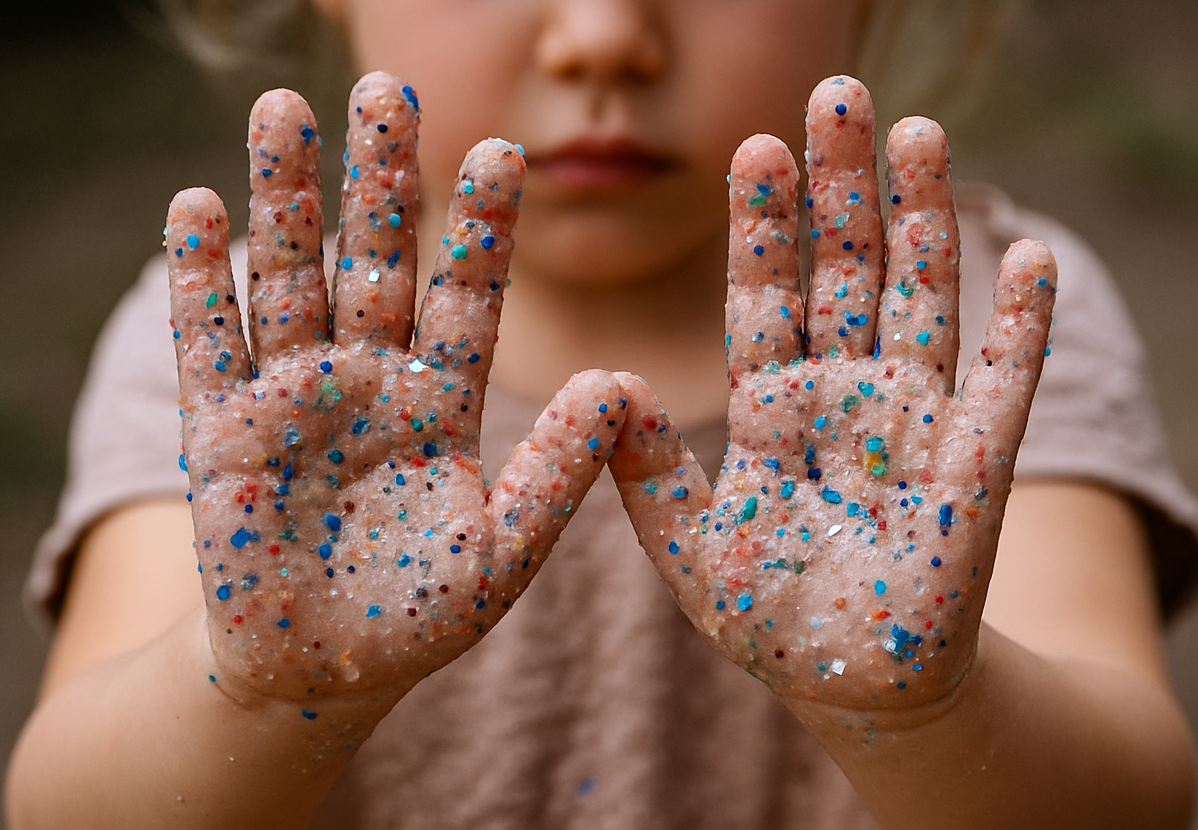
What makes this moment different is where the science is now pointing. Researchers have detected microplastics in human blood, lungs, placental tissue, arterial plaque, and brain tissue. Plastic pollution is no longer something that exists only in oceans or landfills. It is now inside the human body.
Sharp addressed that shift directly in the interview, noting that people did not consent to this exposure. Plastic was marketed as a miracle material, she explained, without any warning that it would fragment into microscopic particles that end up in our air, water, food, and organs.
This growing body of evidence is changing how plastic is perceived across political and cultural lines. Public concern is expanding beyond aesthetics and waste toward human health and long-term societal cost. The Duke analysis provides policymakers, businesses, and communities with a framework to evaluate plastic not by convenience alone, but by its real impact on people and systems.
If plastic were priced honestly, the market would look very different. Until then, understanding the social cost of plastic is a critical step toward safer materials, smarter policy, and choices that put human health first.